How to Decrease Carbon Dioxide in Blood: Simple Tips for Better Health
Have you ever felt out of breath even when you are just sitting down? Sometimes, your body builds up too much carbon dioxide. This gas is a waste product that your lungs usually breathe out. When it stays in your body too long, it can make you feel tired or dizzy. To Decrease Carbon Dioxide in Blood, you need to help your body get rid of this extra gas efficiently. It is all about how you breathe and move every day. Think of your lungs like a filter that needs a little help sometimes. When you learn to breathe better, you help your blood stay clean and full of fresh oxygen. This simple change can make you feel much more awake and ready for your daily adventures.
Why Carbon Dioxide Levels Matter
Your body works like a smart machine. It loves to keep everything perfectly balanced. When you breathe, your lungs exchange oxygen for carbon dioxide. If your breathing is shallow, you might not be getting enough fresh air. This is why it is vital to learn how to decrease carbon dioxide in blood. If levels get too high, your blood becomes slightly acidic, which can make you feel sluggish. By keeping these levels in a healthy range, you support your heart and brain. You will likely notice that you have more energy to play sports or study. Keeping your body in balance is the secret to staying healthy and happy throughout your busy week.
Breathing Techniques to Help You
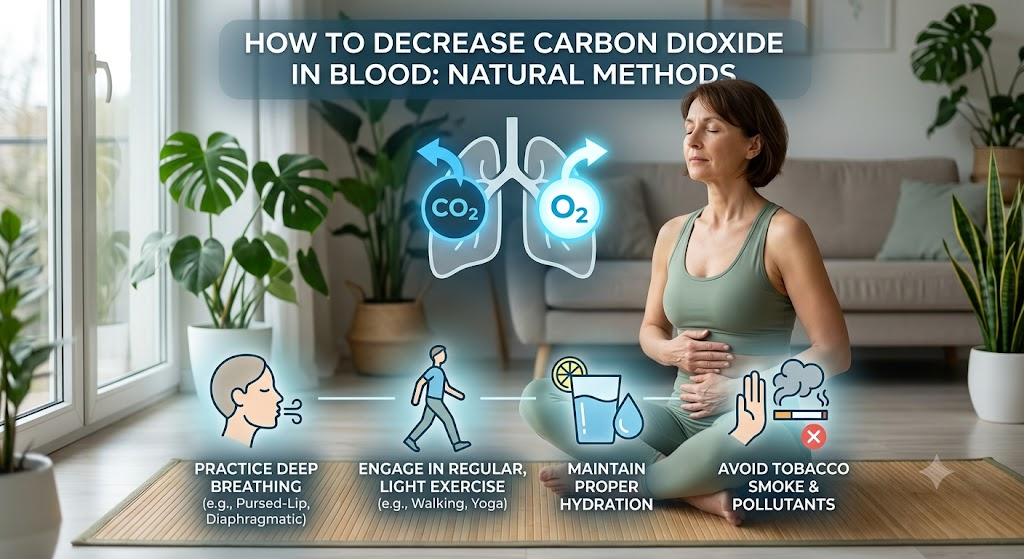
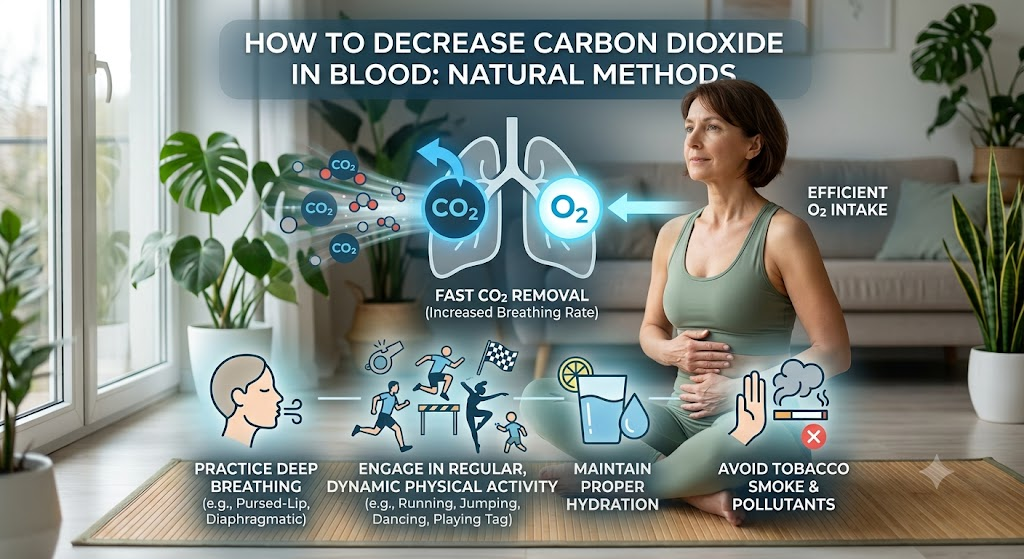
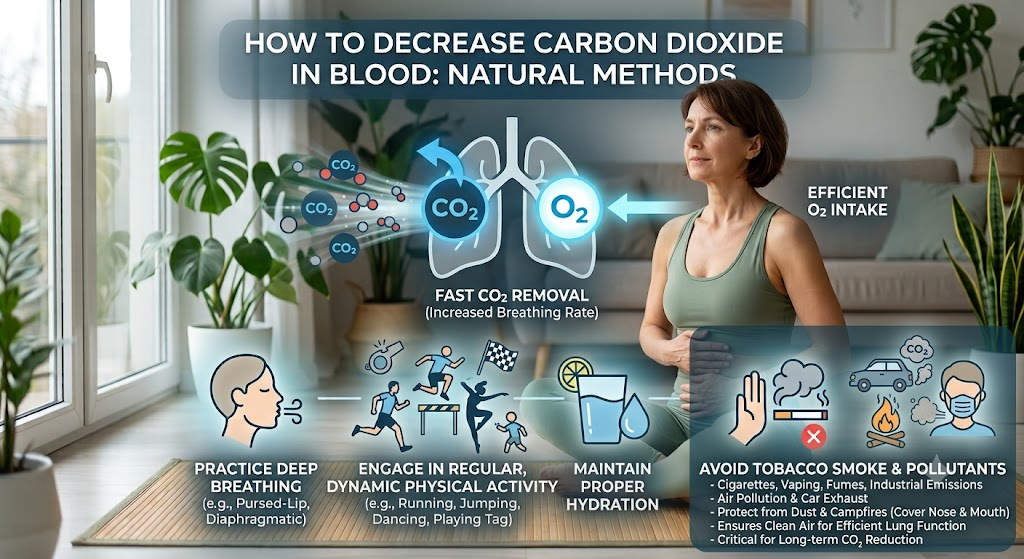
One of the best ways to decrease carbon dioxide in blood is by practicing deep belly breathing. When you take a long breath, your belly should rise like a balloon. This fills your lungs completely and helps you push out the old air. Try breathing in slowly through your nose for four seconds. Then, purse your lips and blow the air out slowly for six seconds. Doing this a few times a day is like giving your body a fresh start. It is a very simple exercise you can do while sitting at your desk or lying in bed. This technique is very helpful for calming your mind and clearing your lungs.
The Role of Physical Activity
Moving your body is a fantastic way to improve your lung health. When you run, jump, or dance, your body naturally breathes faster. This faster breathing helps you decrease carbon dioxide in blood much quicker. As an athlete, I have noticed that regular exercise makes my breathing feel much smoother. You do not need to be a professional athlete to see results. Even a brisk walk in the park or playing tag with friends will do the trick. The goal is to get your heart pumping and your lungs working. Regular movement keeps your respiratory system strong and ready to handle whatever your day throws at you.
Improving Your Posture for Better Airflow
Did you know that how you sit affects how you breathe? If you slouch, your lungs do not have much room to expand. This makes it harder to get a full breath. To decrease carbon dioxide in blood, try to sit up straight with your shoulders back. Imagine there is a string pulling the top of your head toward the ceiling. This simple posture trick opens up your chest cavity. It allows your diaphragm to move freely when you inhale. You might find it easier to breathe deeply while doing your homework or eating dinner. Better posture is a quick fix that helps your body function at its absolute best.
Hydration and Your Lungs
Drinking enough water is important for every part of your body, including your lungs. When you stay hydrated, the lining of your lungs stays moist and healthy. This helps them move oxygen and carbon dioxide in and out of your body more easily. If you feel thirsty, your body might not be working as well as it could. Try to drink water throughout the day instead of sugary sodas. Proper hydration helps everything in your body flow smoothly. Think of water as the oil for your internal engine. Keeping your blood thin and hydrated helps your system circulate oxygen better, making it easier to decrease carbon dioxide in blood naturally.
Fresh Air and Indoor Environments
The quality of the air you breathe is very important. Sometimes, indoor air can feel stale or stuffy. If you spend a lot of time inside, try to open a window to let fresh air in. This simple act brings in more oxygen and helps lower the amount of old air you breathe back in. Going outside for a few minutes is even better. Fresh, clean air helps you decrease carbon dioxide in blood by giving your lungs the best quality oxygen possible. If you live in a city, try to visit a park with lots of trees. Trees are like nature’s lungs, and they help keep the air clean for all of us.
Managing Stress Through Calm Breathing
Stress can make your breathing become very fast and shallow. When you feel worried, you might hold your breath without even knowing it. This can cause carbon dioxide to build up, which adds to that stressed feeling. To break this cycle, practice slow, rhythmic breathing when you feel overwhelmed. Closing your eyes and taking three big, slow breaths can change how you feel instantly. It sends a message to your brain that you are safe. This simple habit helps you decrease carbon dioxide in blood and keeps you calm. Taking a moment to breathe is a powerful tool you can use whenever you feel nervous.
Avoiding Smoke and Irritants
To keep your lungs in great shape, you should stay away from smoke and strong fumes. Smoke from cigarettes or even air pollution can irritate your lungs. When lungs are irritated, they cannot work as efficiently as they should. Protecting your lungs is a key part of the process to decrease carbon dioxide in blood over the long term. If you are near a campfire or a dusty area, try to cover your nose and mouth. Keeping your lungs clean and clear means they can do their job without any extra struggle. Your lungs work hard for you every single day, so be kind to them by choosing clean air.
Foods That Support Lung Health
Eating a healthy diet helps your entire body, including your respiratory system. Fruits and vegetables contain vitamins that help your lungs stay strong. For example, foods with antioxidants can help reduce inflammation in your body. When your body is not fighting inflammation, it can focus on breathing and circulation. Making smart food choices is a tasty way to support your goal to decrease carbon dioxide in blood. Try to eat a colorful plate of food with berries, leafy greens, and crunchy vegetables. A healthy, happy body is much better at keeping its gas levels perfectly balanced every single day.
Conclusion
Taking care of your breathing is one of the most important things you can do for your health. By using deep breathing, staying active, and drinking plenty of water, you make it easy to decrease carbon dioxide in blood. Remember to sit up straight and spend time outside in the fresh air. These habits are simple, but they make a big difference in how you feel. If you are ever worried about your breathing, always talk to a doctor or a nurse. They are experts who can help you understand your body better. Keep practicing these healthy choices, and you will enjoy more energy and better health every day!
Frequently Asked Questions
1. Is it normal to have some carbon dioxide in my blood?
Yes, it is perfectly normal! Your body creates carbon dioxide as it makes energy. The goal is to keep it at a healthy level by breathing it out.
2. Can exercise help decrease carbon dioxide in blood?
Absolutely. Exercise makes you breathe faster, which helps your lungs clear out extra carbon dioxide more efficiently.
3. Does bad posture make breathing harder?
Yes, slouching prevents your lungs from fully expanding. Sitting up straight gives your lungs more space to breathe deeply and stay healthy.
4. How does drinking water help my lungs?
Water keeps the lining of your lungs moist. This makes it easier for your body to exchange gases like oxygen and carbon dioxide.
5. Can stress change my carbon dioxide levels?
Yes, stress can cause shallow breathing. This can make you feel more tired. Slow, deep breaths help bring your levels back to normal.
6. Should I see a doctor if I feel out of breath often?
If you feel out of breath easily or have trouble breathing, it is always a good idea to talk to a doctor for advice.