Creative Hobbies: Creative Interests to Enjoy in Daily Life
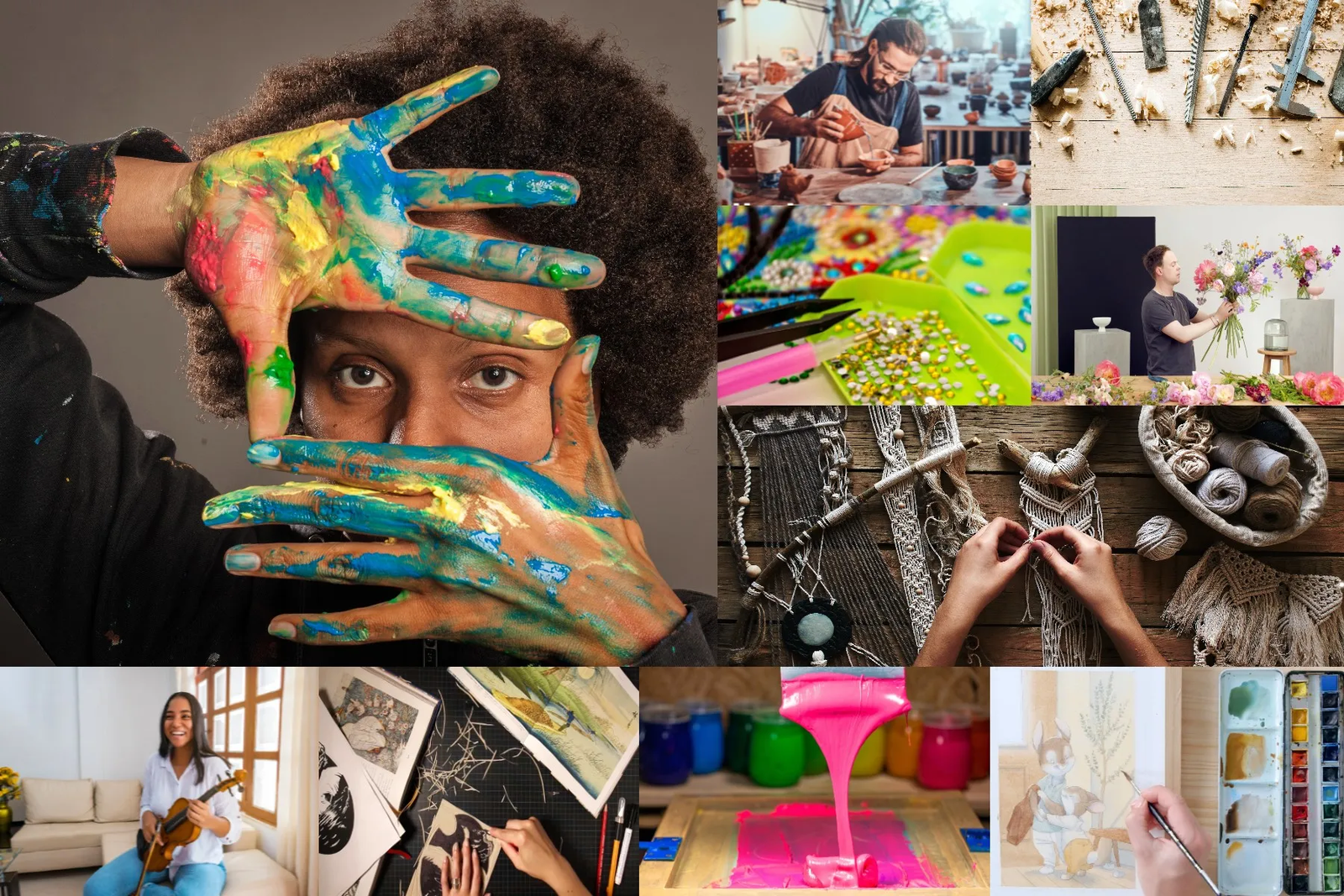
Finding time for personal interests can be difficult when most days are filled with work, study, household tasks, and digital distractions. Yet having an activity that belongs entirely to you can make everyday life feel less repetitive. This is one reason creative hobbies have become popular among people of different ages and backgrounds. Drawing, photography, journaling, crafting, and digital art can all provide a simple way to spend time creating something rather than simply consuming content.
One of the best things about creative hobbies is that they do not require professional experience. A person who has never taken an art class can still pick up a pencil and begin sketching. Someone who enjoys using computers can experiment with digital illustrations, posters, or simple designs. If digital creation becomes a regular interest, choosing the right equipment can make the process more comfortable. For those exploring the best tool for creative design, factors such as pen response, screen size, portability, and software compatibility are worth considering.
The purpose of creative hobbies is not necessarily to produce professional work. Sometimes, the most valuable part is having time to experiment without worrying about deadlines, grades, or other people’s expectations. A small sketch completed after dinner can be just as meaningful as a detailed illustration that takes several hours.
1. Why Creative Hobbies Are Worth Adding to Daily Life
People often associate creative hobbies with artistic ability, but creativity is not limited to people who can draw exceptionally well. Creativity is mainly about making choices and expressing ideas. Choosing colors for a journal page, arranging objects for a photograph, shaping a piece of clay, or writing a short story all involve creative thinking.
Another reason creative hobbies are worth making room for is the change of pace they can bring. Many daily activities involve responding to messages, following instructions, or completing specific tasks. Creative activities work differently. The creator decides what to make, how it should look, and when it is finished. That sense of control can make an ordinary evening feel more personal.
There is also no requirement to spend several hours on creative hobbies. A person with a busy schedule might have only fifteen minutes available. That can still be enough to draw a few objects, practice lettering, edit several photographs, or work on a small handmade project. Regular short sessions are often easier to maintain than occasional attempts that require a large block of free time.
Over time, creative hobbies can also reveal interests that were not obvious at first. A person might begin drawing simply to relax and later become interested in character design. Someone who starts taking pictures during weekend walks may develop an interest in architecture or street photography. The initial activity does not have to determine the final direction.
Keeping old work can make this process even more interesting. Looking at an early drawing months later may reveal improvements in line control, composition, or color selection. Seeing this progress can provide motivation to continue learning without comparing your work with that of experienced artists.
2. Creative Hobbies That Beginners Can Easily Try
Drawing and Sketching
Drawing is a straightforward starting point for creative hobbies because the basic materials are easy to find. Beginners can start with everyday objects such as cups, books, plants, shoes, or household decorations. The goal is not to create a perfect image but to become familiar with shapes, proportions, and lines.
Sketching can also be done in short sessions. Instead of completing a detailed picture, you can spend ten minutes drawing several quick versions of the same object. This kind of exercise helps build confidence while keeping the activity manageable.
Digital Illustration
Digital illustration has become another accessible form of creative hobbies. Drawing applications provide tools that are difficult to reproduce with traditional materials, including layers, adjustable brushes, undo functions, and easy color changes.
These features can make experimentation less intimidating. If a particular color does not work, it can be replaced. If a line is misplaced, it can be removed without affecting the rest of the drawing. Beginners can therefore focus more on learning and less on worrying about every small mistake.
Journaling and Typography
Journaling is another option for people who want creative hobbies that combine writing and visual design. A page can include notes, photographs, drawings, stickers, decorative elements, or different lettering styles.
Typography can be explored in a similar way. Beginners can practice handwritten titles, experiment with spacing, and compare different letter shapes. These simple exercises can eventually become useful for designing invitations, posters, social media graphics, or personal projects.
Photography and DIY Crafts
Photography can turn everyday surroundings into creative material. A walk through a neighborhood can become an opportunity to practice framing, lighting, and perspective. With basic editing, the same photograph can take on a completely different appearance.
For people who prefer physical activities, DIY projects and crafts provide another direction for creative hobbies. Paper cutting, collage, clay work, model building, and handmade decorations can all be adapted to different skill levels. These projects can also be shared with friends or family, making the activity more social.
3. How Digital Tools Can Improve the Creative Experience
As more people explore creative hobbies through digital platforms, drawing devices have become useful for those interested in illustration and design. Digital tools do not replace creativity. Instead, they provide another way to turn ideas into visual work and make certain parts of the process easier.
Pressure sensitivity is one feature that can be helpful for digital artists. Depending on the device and software, applying different levels of pressure with a stylus can affect line thickness or brush intensity. This can create a more natural drawing experience, particularly when working on outlines, shading, and small details.
The display area is another factor to consider when choosing equipment for creative hobbies. A larger working area can be useful for detailed illustrations, while a smaller device may be more convenient for people who frequently move between locations. Neither option is automatically better; the right choice depends on the type of work and the user’s habits.
Software compatibility should also be considered. Before purchasing a digital drawing device, it is sensible to check whether it works with the applications you already use or plan to learn. Connection methods, shortcut controls, screen quality, and stylus performance can also influence the overall experience.
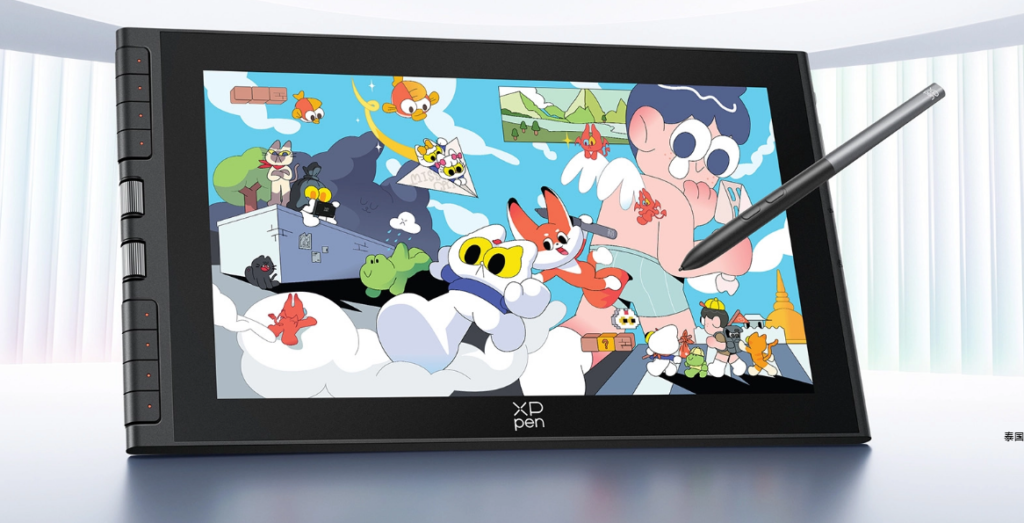
For people who want to explore digital drawing as one of their creative hobbies, the XPPen Artist Artist 12 3rd is one option designed for creative work. It can be used for sketching, illustration, comics, and other digital art projects. However, equipment should be selected according to actual needs rather than the number of features listed on a specification sheet. Someone who occasionally sketches may prefer a straightforward and portable setup. A person who plans to spend more time developing digital art may care more about screen quality, pen performance, working space, and compatibility with commonly used creative software.
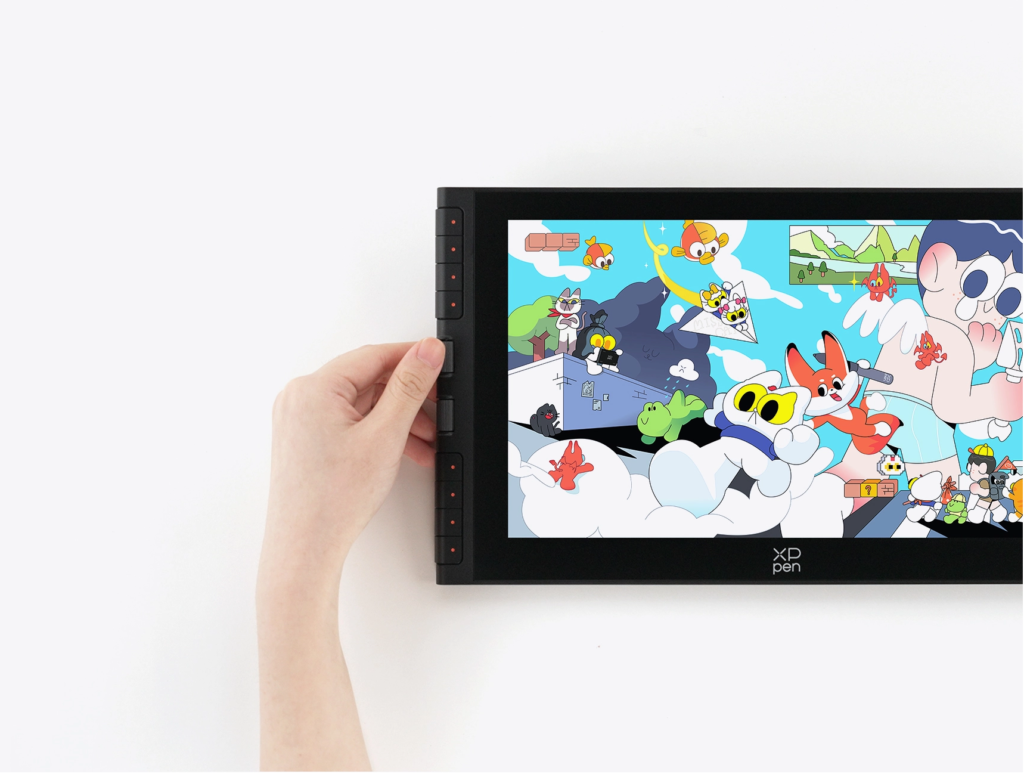
Digital tools can also make creative hobbies easier to organize. Instead of storing finished drawings in physical folders, creators can save files digitally and arrange them by project, date, or subject. This makes it easier to return to unfinished work or compare new projects with older ones.
4. How to Stick with Creative Hobbies and Improve Your Skills?
Starting creative hobbies is usually exciting at first, but maintaining the habit can be harder. One common problem is setting unrealistic goals. A beginner may decide to complete a finished illustration every day, only to discover that work and other responsibilities make the plan difficult to follow.
A more practical approach is to make creative practice small. Fifteen or twenty minutes can be enough for a quick sketch, a lettering exercise, or a few photography experiments. The important thing is consistency rather than the number of hours spent on each session.
Creating simple themes can make creative hobbies easier to maintain. For example, you could spend one week drawing plants, another week practicing facial expressions, and another week exploring household objects. A specific theme provides a starting point when you do not know what to create.
Using references can also support skill development. Beginners can study photographs, artworks, objects, or real surroundings to understand proportions, lighting, and composition. The purpose is not simply to copy what someone else has made but to understand how visual elements work together.
For digital artists, combining practice with original projects can make creative hobbies more rewarding. After studying basic character proportions, for example, you could create an original character with your own clothing, hairstyle, colors, and personality. This allows technical practice to gradually become personal expression.
It is equally important to leave room for imperfect results. Not every drawing will turn out well, and not every idea will become a finished project. Mistakes are a normal part of creative work. Keeping unsuccessful attempts can even be useful because they show which areas need more practice.
As creative hobbies become part of a regular routine, larger projects can be introduced naturally. A person who once drew simple objects might eventually create a collection of illustrations. Someone interested in photography could develop a themed photo series. A hobby that begins as a few minutes of casual activity can gradually develop into a meaningful personal skill.
5. Conclusion
The appeal of creative hobbies lies in their flexibility. They can be simple or complicated, traditional or digital, private or social. Drawing, photography, journaling, typography, crafts, and digital illustration are only a few possibilities. What matters is finding an activity that feels enjoyable enough to return to.
For beginners, there is no need to wait until they have perfect skills or professional equipment. Starting with a small project makes the process less intimidating and creates opportunities to learn through practice. Over time, even short creative sessions can lead to noticeable improvement.
Ultimately, the most important part of creative hobbies is the willingness to explore. A simple sketch, photograph, journal page, or handmade object can be the beginning of a much larger interest. By making creativity a regular part of everyday life and allowing yourself to learn at your own pace, a casual hobby can become a skill that continues to develop for years.