gfxpixelment: The Ultimate Guide to Modern Digital Graphics and Creative Design
The digital world continues to evolve at an incredible pace, and visual design plays a central role in shaping how people interact with technology, brands, and information. From websites and mobile apps to advertisements and social media posts, design has become a powerful communication tool. Designers today must balance creativity with technical skills to create engaging and meaningful visuals that resonate with audiences. One concept that has recently gained attention in modern design discussions is gfxpixelment, which represents an emerging approach to digital graphic innovation.
Understanding gfxpixlment can help designers, marketers, and content creators develop visually compelling projects that stand out in a competitive digital landscape. The modern era demands not only aesthetic appeal but also functionality, clarity, and adaptability across multiple platforms. This article explores the role of creativity in digital design, the importance of visual storytelling, the tools and techniques used by designers, and how gfxpixlment contributes to the future of creative expression.
The Evolution of Digital Design
Digital design has evolved dramatically over the last few decades. Early computer graphics were limited by hardware capabilities and simple software tools. Designers had fewer resources and often worked with basic color palettes and low-resolution images.
Over time, advancements in computing power, display technology, and creative software opened new possibilities for designers. High-resolution displays, powerful graphic processors, and advanced design applications enabled creators to produce complex visual compositions with ease. Today’s designers use a combination of digital illustration, 3D modeling, animation, and user interface design to produce immersive experiences. world tech news h2hnewstech
During this transformation, innovative design philosophies emerged. One such concept is gfxpixelment, which encourages designers to explore unique pixel-based creativity combined with modern digital aesthetics. Instead of viewing pixels as limitations, this concept treats them as building blocks for artistic expression.
As design tools continue to improve, the line between art and technology becomes increasingly blurred. Designers now have the ability to experiment with color gradients, lighting effects, motion graphics, and interactive interfaces that create engaging experiences for users across devices.
The Role of Visual Communication
Visual communication is one of the most powerful forms of storytelling. Humans process visual information much faster than text, making design an effective way to convey ideas quickly and clearly. In marketing, branding, and digital media, visuals influence how audiences perceive information and interact with content.
Effective visual communication requires a combination of several elements:
- Color theory to evoke emotions and guide attention
- Typography to ensure readability and establish brand identity
- Layout design to organize information logically
- Imagery and graphics to reinforce messages visually
Designers who embrace gfxpixelment often experiment with pixel-level precision and creative textures to produce visuals that are both nostalgic and modern. This approach allows designers to craft distinctive visual styles that capture attention while maintaining clarity.
The ultimate goal of visual communication is to create designs that inform, inspire, and engage audiences. By carefully combining artistic creativity with technical expertise, designers can communicate complex ideas through simple and appealing visuals.
Tools and Technologies in Modern Design
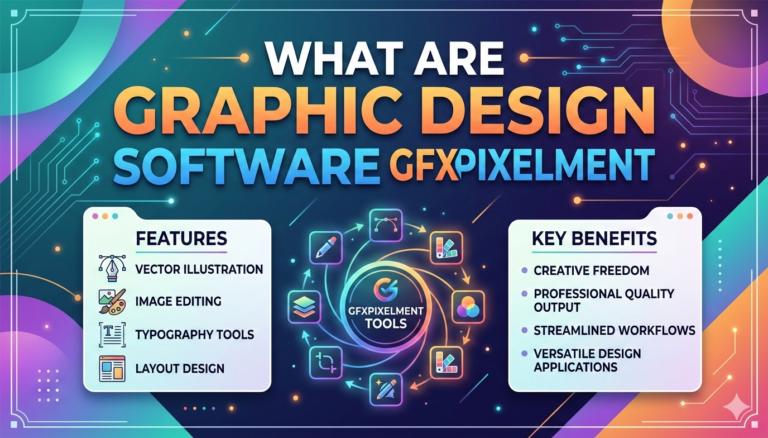
Modern designers rely on a wide range of tools to bring their ideas to life. Graphic design software, digital illustration platforms, and animation tools have become essential for creative professionals. These tools allow designers to experiment with shapes, colors, textures, and layouts without the limitations of traditional mediums.
Some common technologies used in design include:
- Vector graphics software for scalable illustrations
- Photo editing tools for image manipulation
- Motion design applications for animation and visual effects
- Interface design tools for web and mobile applications
Through these tools, designers can experiment with new creative concepts such as gfxpixelment, blending pixel-based graphics with modern digital effects. This approach allows for greater creative freedom and encourages designers to think beyond traditional design boundaries.
As artificial intelligence and automation become more integrated into design software, creators will gain even more powerful tools to enhance their work. However, creativity and human imagination will always remain the driving force behind exceptional design.
Design Principles That Shape Great Visuals
Behind every effective design lies a set of fundamental principles that guide the creative process. These principles ensure that visual elements work together harmoniously and communicate ideas clearly.
Key design principles include:
Balance:
Balance ensures that visual elements are distributed evenly within a composition. A balanced layout creates stability and helps viewers focus on important content.
Contrast:
Contrast highlights differences between elements, such as color, size, or shape. This helps emphasize key features and improves readability.
Hierarchy:
Hierarchy guides viewers through content in a logical order. Larger or bolder elements attract attention first, while smaller elements provide supporting information.
Consistency:
Consistency maintains visual harmony across a design project. Consistent colors, fonts, and layouts reinforce brand identity and improve user experience.
When designers apply these principles alongside creative approaches like gfxpixelment, they can create visuals that are both aesthetically pleasing and highly functional. magazinoor, heartomenal, feedworldtech, shopnaclo, thelaptopadviser, DowsStrike2045, thelowdownunder, ustudiobytes, Mozillod5.2f5, nothing2hide
The Importance of Creativity in Graphic Design
Creativity is the foundation of every successful design project. While technical skills are important, creativity allows designers to think differently and develop innovative solutions.
Creative design often involves experimentation with color schemes, visual patterns, and composition techniques. Designers explore new ideas, adapt trends, and combine influences from art, culture, and technology.
Incorporating gfxpixelment into creative workflows can inspire designers to rethink how they approach digital visuals. By focusing on the smallest visual elements—pixels—designers gain greater control over texture, shading, and detail.
Creative thinking also helps designers solve communication challenges. Whether designing a website interface or a marketing campaign, designers must find ways to present information clearly while maintaining visual interest.
Digital Design in Branding and Marketing
In today’s competitive business environment, branding plays a critical role in how companies present themselves to the world. Graphic design shapes brand identity by defining visual elements such as logos, color palettes, typography, and imagery.
Strong branding creates recognition and trust among audiences. A well-designed logo or marketing graphic can leave a lasting impression and influence how consumers perceive a brand.
Modern marketing strategies often rely heavily on digital visuals. Social media posts, website graphics, online advertisements, and product packaging all depend on compelling design.
Creative methods such as gfxpixelment can give brands a unique visual style that distinguishes them from competitors. By combining creativity with strategic design planning, businesses can communicate their values and messages effectively.
The Future of Graphic Design

The future of graphic design is closely connected to technological innovation. Virtual reality, augmented reality, artificial intelligence, and interactive media are transforming how designers create and present visual content.
Designers must continuously adapt to new technologies and trends. Skills such as motion graphics, user experience design, and interactive storytelling are becoming increasingly valuable.
Concepts like gfxpixelment represent the experimental spirit of modern design, encouraging creators to explore new visual styles and push the boundaries of digital art.
As design continues to evolve, the most successful designers will be those who combine technical expertise with creativity, adaptability, and a deep understanding of visual communication.
Frequently Asked Questions (FAQs)
1. What does the term gfxpixelment mean in digital design?
It refers to a creative approach in graphic design that focuses on pixel-level detail and digital visual experimentation to produce distinctive artistic styles.
2. Why is pixel-based design still relevant today?
Pixel-based design offers precision and creative flexibility, allowing designers to experiment with textures and details that enhance visual storytelling.
3. Can beginners learn advanced digital design techniques easily?
Yes. With modern design software and online learning resources, beginners can gradually develop skills in illustration, layout design, and visual communication.
4. How does creativity influence graphic design projects?
Creativity allows designers to explore unique visual ideas, solve communication challenges, and produce designs that stand out in competitive markets.
5. What skills are important for future designers?
Important skills include digital illustration, user interface design, motion graphics, typography knowledge, and the ability to adapt to new technologies.
Conclusion
Digital design continues to shape how people communicate, learn, and interact with information in the modern world. As technology evolves, designers must adapt their skills and explore new creative methods to stay relevant in a constantly changing industry.
Concepts like gfxpixelment demonstrate how innovation can transform even the smallest elements of digital visuals into powerful creative tools. By combining design principles, modern technologies, and imaginative thinking, designers can create visuals that inspire audiences and communicate ideas effectively.
The future of design will depend on creativity, experimentation, and the ability to embrace new technologies. Designers who continue learning, exploring new concepts, and refining their skills will play a vital role in shaping the visual experiences of tomorrow.