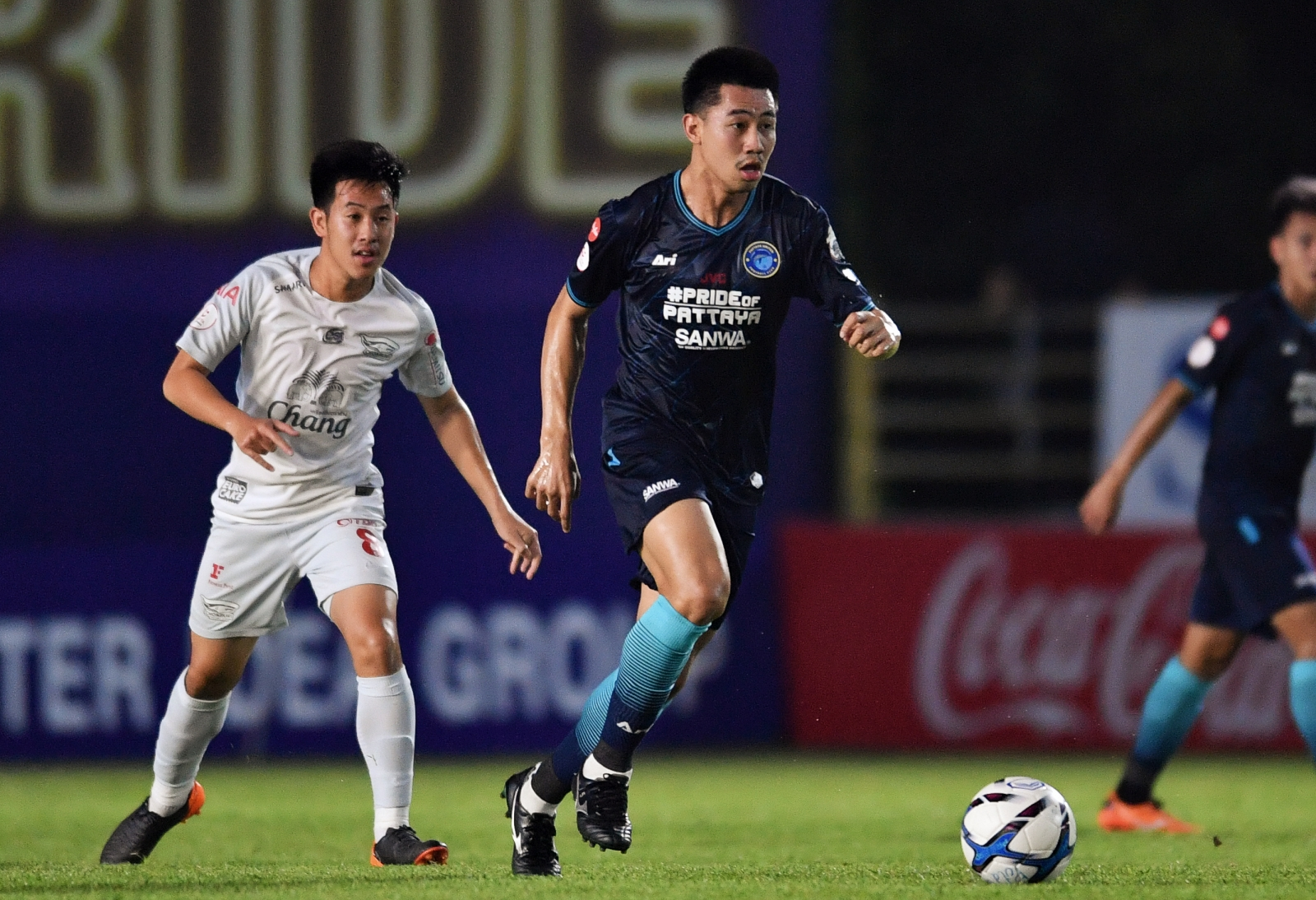
Thai League 2018/2019 Counterattacking Teams and Their Edge in First and Last Goal Markets
Counterattacking teams in the Thai League 2018/2019 season operated on timing rather than control. Instead of dominating possession, they relied on exploiting specific moments—often when opponents were most vulnerable. This made them particularly relevant for first-goal and last-goal betting markets, where timing and sequence matter more than total dominance.
Why Counterattacks Create Timing Advantages
Counterattacking systems are built to strike during transitions, when defensive structures are incomplete. The cause is opponent overcommitment; the outcome is sudden attacking opportunities; the impact is goals that arrive in specific phases rather than evenly distributed throughout the match.
How Game Flow Determines Goal Timing
These teams rarely dictate the entire match but instead react to opponent behavior. When opponents push forward, space opens behind defensive lines, creating conditions for decisive moments.
Timing Windows in Matches
- Early phases when opponents attempt to establish control.
- Mid-game transitions after possession turnovers.
- Late-game situations when trailing teams commit numbers forward.
These windows explain why counterattacking teams often score either first or last rather than maintaining consistent scoring pressure. The interpretation is that timing, not volume, defines their goal contribution.
Which Team Traits Enhance Counterattacking Efficiency
Not all teams can execute counterattacks effectively. Success depends on specific structural and player attributes that allow quick transitions from defense to attack.
Before identifying these traits, it is important to recognize that counterattacking relies on precision rather than repetition.
- Fast attacking players capable of exploiting open space.
- Accurate long passing to initiate transitions quickly.
- Defensive organization that absorbs pressure without breaking.
- Decision-making speed during transitional moments.
These traits ensure that limited opportunities are converted efficiently. The interpretation is that counterattacking success depends on execution quality rather than chance frequency.
Where First-Goal Markets Become Predictable
Because counterattacking teams often exploit early overextension, they can score first even without controlling possession. The cause is opponent initiative; the outcome is early exposure; the impact is value in first-goal markets when these dynamics are present.
Translating Counterattacking Patterns Into Betting Strategy
Understanding how these teams operate allows bettors to focus on timing-based markets rather than full-match outcomes. The objective is to align match context with likely scoring sequences.
A structured approach includes:
- Identifying opponents that dominate possession and push high lines.
- Evaluating whether the counterattacking team has pace advantages.
- Assessing defensive stability to sustain pressure before transitions.
- Monitoring match importance and expected game flow.
This framework emphasizes interaction between teams rather than isolated metrics. The interpretation is that first and last goal markets become clearer when one side dictates tempo and the other exploits it.
How Pricing Systems Handle Timing-Based Markets
Markets for first and last goals often rely on general scoring probabilities rather than tactical sequencing. In situations where counterattacking dynamics are strong, systems connected to ufa168 may not fully differentiate between possession-based and transition-based teams. This leads to pricing that underestimates timing advantages created by specific tactical setups.
When Counterattacking Fails to Deliver
Despite clear patterns, counterattacking teams do not always produce expected outcomes. If opponents adjust their approach, opportunities may disappear.
Failure Conditions
- Opponents adopt deeper defensive lines, limiting space.
- Early goals by the opponent reduce counterattacking opportunities.
- Poor execution wastes limited transition chances.
- Fatigue reduces speed and reaction time in later phases.
These conditions disrupt the timing advantage that counterattacking relies on. The impact is that bettors must confirm whether match conditions support transitional play.
Comparing Timing Markets Across Systems
Different systems process timing-related probabilities with varying levels of accuracy. Understanding these differences helps identify where inefficiencies may exist.
- Pre-match markets generalize goal timing across teams.
- Live markets react to match flow but may lag in early phases.
- Secondary markets lack depth in timing-specific adjustments.
- Data models prioritize total goals over sequence patterns.
Within a broader casino online structure, these gaps become more noticeable because timing-specific data is not always fully integrated into pricing. This creates uneven valuation in first and last goal markets.
Summary
Counterattacking teams in Thai League 2018/2019 created distinct advantages in first and last goal markets by exploiting specific match phases. Their effectiveness depended on timing, opponent behavior, and execution quality rather than sustained control. Bettors who understood these dynamics could better identify when timing-based opportunities aligned with market inefficiencies.