Welcome to the Ultimate Guide to mount everest location
Have you ever looked up at the sky and wondered where the highest place on Earth actually sits? Many people ask about the Mount Everest location because they want to understand where this grand peak rests. Mount Everest is a massive peak that touches the clouds, drawing brave climbers and curious travelers from every corner of the world. In this simple guide, we will explore everything you need to know about where it is, how to get there, and why it holds such a special place in human history. Get ready for an exciting journey into the cold, beautiful world of high mountains!
Table of Contents
Understanding the Mount Everest Location on the World Map
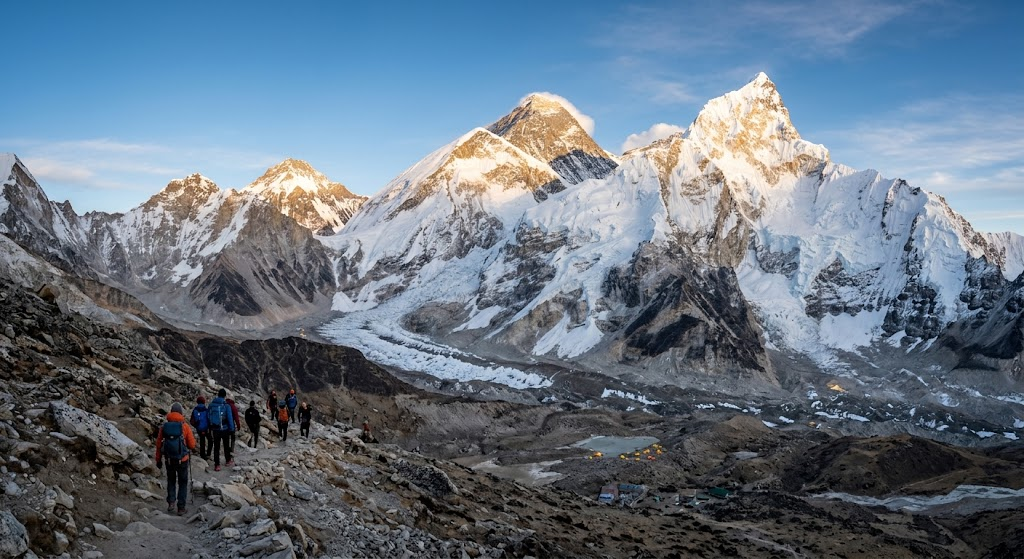
To understand the Mount Everest location on a world map, you must look at the giant continent of Asia. This iconic mountain sits nestled between two large landmasses: Nepal to the south and Tibet, an autonomous region of China, to the north. The exact summit line acts as an international border between these two regions. When you stand on the top of the world, your left foot might be in Nepal while your right foot rests in China. This border position makes the peak unique, as travelers can reach it from both countries depending on their travel route and permit choices.
Which Country Claims the Mount Everest Location?
People often wonder which single country truly claims the Mount Everest location. The real answer is that two places share this famous geographical treasure. Nepal manages the southern side of the peak, while China manages the northern side. Both governments work together to measure its height and protect its natural environment. Most international tourists visit from the Nepal side because Nepal offers friendly mountain towns, warm Sherpa hospitality, and easy access for trekking routes. However, Tibet offers smooth paved roads that allow visitors to drive directly toward the northern base area without days of hiking.
The Mighty Himalayas and the Mount Everest Location
You cannot discuss the Mount Everest location without talking about the Himalayas. The Himalayas are a vast, majestic chain of mountains stretching across five Asian countries. Mount Everest is the shining crown jewel of this enormous mountain system. Millions of years ago, two huge land pieces bumped into each other under the sea, pushing the ground upward to build these enormous rock walls. The earth is still moving slowly today, which means the peak continues to grow a tiny bit taller every single year.
How to Travel to the Mount Everest Location in Nepal
Getting to the Mount Everest location in Nepal is an exciting adventure that begins in the bustling city of Kathmandu. Travelers take a short, thrilling flight from Kathmandu to a tiny airstrip in the town of Lukla. From Lukla, your feet become your main source of transportation. You walk along scenic dirt paths, cross high suspension bridges swaying over rushing rivers, and pass peaceful mountain villages. The hike takes about eight to ten days of steady walking to reach the southern base area, allowing your body to get used to the thin air slowly.
Discovering the Mount Everest Location on the Tibetan Side
Reaching the Mount Everest location from the northern side in Tibet offers a completely different travel experience. On the Tibetan side, modern paved highways lead traveler vehicles through high mountain passes right up to the northern base site. This road makes the destination far more accessible for older travelers or families who cannot hike long distances across rocky trails. Visitors on this side get a stunning, direct view of the north face of the giant peak, which looks like a giant pyramid made of dark rock and white ice.
What Is the Climate Like at the Mount Everest Location?
The climate around the Mount Everest location is extremely cold, harsh, and unpredictable. High winds blow constantly near the summit, often reaching hurricane speeds that can knock a person over. During the freezing winter months, temperatures drop far below zero degrees, making life impossible without warm gear. Summer brings heavy rain and thick fog called monsoons, which hide the peak in dark clouds. Climbers wait for short weather windows in late spring when the winds calm down and temperatures warm up enough to make climbing safe.
Understanding the Elevation at the Mount Everest Location
The extreme height at the Mount Everest location creates very thin air for human lungs. The peak sits at an incredible altitude of 8,848.86 meters above sea level, which means there is much less oxygen to breathe compared to sea-level towns. When people travel to high altitudes, their bodies must rest often to adapt to the thin air atmosphere. Taking time to adjust helps prevent sickness, headache, and fatigue. Walking slowly and drinking plenty of clean water are the two best secrets to staying healthy while exploring high altitudes.
Meeting the People Who Live Near the Mount Everest Location
The area surrounding the Mount Everest location is home to the famous Sherpa people. The Sherpas are legendary mountain experts known for their incredible physical strength, rich cultural traditions, and warm hospitality. They have lived high in the rugged mountains for generations, so their bodies are naturally adapted to high altitudes and cold weather. Sherpa guides assist international visitors by carrying heavy equipment, finding safe path routes, and cooking warm meals. Their kindness and knowledge make every trip safer and far more memorable.
Plants and Animals Near the Mount Everest Location
Even though the high peak looks frozen and rocky, living creatures thrive near the Mount Everest location. Lower down the valleys, thick pine forests shelter rare animals like snow leopards, musk deer, and red pandas. Colorful birds fly through the crisp mountain air, while furry yaks carry supplies along the narrow hiking trails. As you climb higher up toward the ice line, plant life disappears, leaving only hardy mosses and lichens clinging to frozen rocks. Protecting this special high-altitude wildlife is vital for future generations.
Important Preparation for Visiting the Mount Everest Location
Visiting the Mount Everest location takes careful preparation, good health, and proper equipment. You need sturdy hiking boots, thick thermal clothing, waterproof jackets, and strong walking poles to handle the uneven ground. Getting into good physical shape by walking up hills or jogging beforehand will make your journey much more enjoyable. It is also wise to hire experienced local guides who know the terrain, weather patterns, and safe paths. Preparing carefully ensures that your mountain adventure remains safe, comfortable, and full of joyful memories.
Why the Mount Everest Location Captivates the World
The Mount Everest location represents the ultimate symbol of natural grandeur and human bravery. Standing near the base of this giant mountain fills every traveler with deep wonder and respect for mother nature. It reminds us how vast, beautiful, and wild our planet really is. Whether you dream of standing on its icy summit or simply hope to view its snow-capped peak from a peaceful valley below, this place will touch your heart forever.
Frequently Asked Questions
Where is the Mount Everest location situated?
The Mount Everest location sits right on the border between Nepal and Tibet, China, high inside the Himalayan mountain range in Asia.
Can you drive a car to the Mount Everest location?
You can drive a car close to the northern base site in Tibet using paved roads, but the southern base site in Nepal requires flying to Lukla and walking for several days.
What is the closest town to the Mount Everest location in Nepal?
The closest small airport town is Lukla, while Namche Bazaar is the main Sherpa trading town where travelers stop to rest and buy supplies.
What is the local name for the Mount Everest location?
In Nepal, people call the mountain Sagarmatha, which means “Goddess of the Sky.” In Tibet, locals call it Chomolungma, which means “Mother Goddess of the World.”
When is the best time to visit the Mount Everest location?
The best months to visit are spring (April to May) and autumn (September to November), when the sky is clear and the weather is steady.
Do I need a permit to visit the Mount Everest location?
Yes, you need official park permits and travel passes from either the Nepal government or the Chinese administration depending on which side you choose to visit.