Understanding Gang Symbols: History, Meanings, and Visual Guide
Gang symbols are special visual signs that various groups use to identify themselves and mark their space. These signs appear as graffiti on walls, specific hand gestures, and unique tattoos on the skin. Understanding gang symbols helps communities recognize security risks and stay safe in their local areas. Every symbol carries a specific meaning, telling a story about a group’s history, region, and alliances.
Table of Contents
The Evolution of Hand Signs and Graffiti
The history of gang symbols goes back many decades in large urban centers. Groups first used hand gestures and spray-painted street signs as hidden ways to talk to each other without words. Over time, these gang symbols grew into a complex language used across different cities. What started as simple wall markings eventually evolved into structured visual codes recognized nationwide.
Overview of Identification Methods
| Identification Category | Common Format | Primary Purpose | Key Characteristics |
| Hand Signs | Finger positions and gestures | Immediate silent communication | Quick visual identification |
| Street Graffiti | Spray paint on public property | Marking territorial borders | Names, numbers, and warnings |
| Gang Symbols Tattoos | Permanent body art | Lifelong group loyalty | Highly detailed imagery |
| Specific Clothing | Colored bandanas and sports gear | Visible public presence | Specific color combinations |
Distinct Features of Chicago Gang Symbols
Chicago gang symbols carry a unique history influenced by decades of street culture. Many groups in the city split into two main national coalitions known as the Folk Nation and the People Nation. The Folk Nation often uses six-pointed stars, pitchforks pointing upward, and numbers like 721 in their gang symbols. On the other side, the People Nation utilizes five-pointed stars, crowns, and pitchforks pointing downward to mark their presence.
FOLK NATION PEOPLE NATION
6-Pointed Star 5-Pointed Star
Upward Pitchforks Downward Pitchforks
Number 721 Crown Symbols
Exploring Mexican Gang Symbols and Culture
Mexican gang symbols rely heavily on historical numbers, cultural icons, and regional pride. A well-known distinction exists between northern and southern California groups, referred to as Norteños and Sureños. Norteños use the number 14, representing the letter N, alongside red bandanas and four-pointed stars. Sureños rely on the number 13, representing the letter M, blue colors, and specific Aztec imagery in their gang symbols.
Visual Meaning Behind Gang Symbols Tattoos
Gang symbols tattoos serve as permanent markers of group membership and personal history. Members place these markings on visible areas like hands, necks, and arms to display their affiliation proudly. Spiderwebs on elbows often mean long prison sentences, while teardrops near the eye can represent lost friends or time served. Every line and symbol drawn on the skin conveys a deep personal message within that culture.
Common Hand Signals and Their Meanings
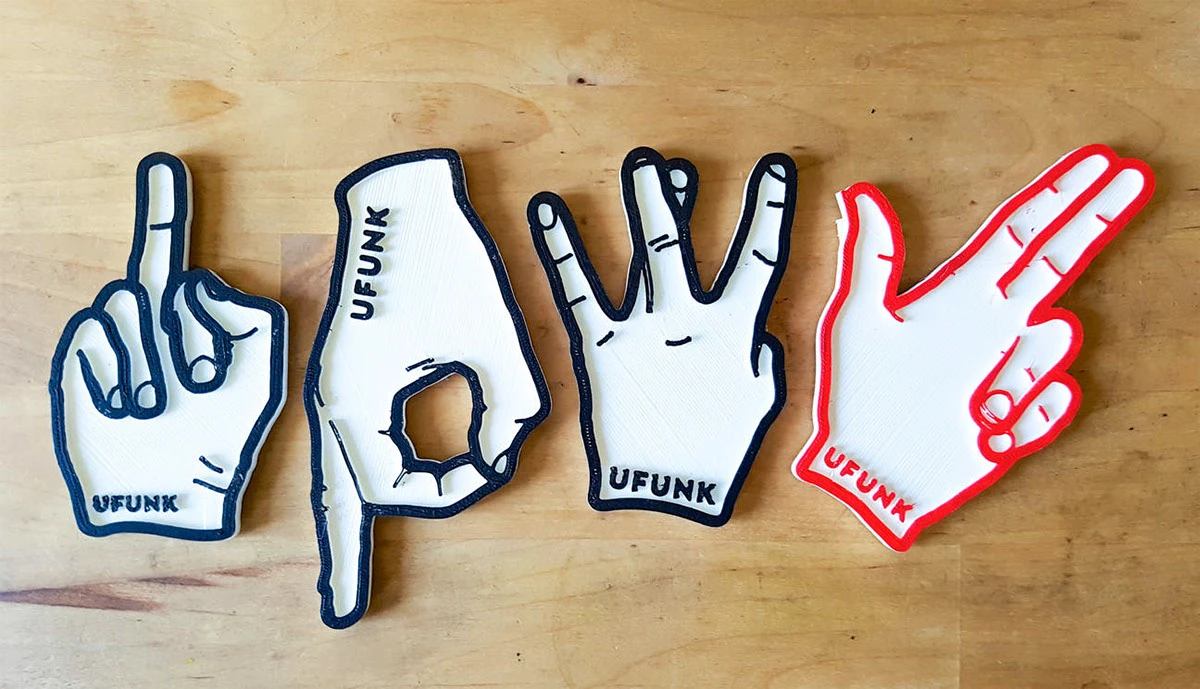
Hand signs are among the most active gang symbols used on the street every day. Members shape their fingers into specific letters or numbers to identify their group instantly. Throwing up a hand sign can display respect to allies or insult rival groups in public spaces. Because these signs can provoke fast reactions, law enforcement tracks hand signals carefully to manage safety.
How Numbers and Letters Are Used as Codes
Numbers and letters form a core part of many gang symbols across the country. Groups frequently convert letters of the alphabet into numbers, such as using 13 for M or 14 for N. You will also see area codes spray-painted on walls to claim specific neighborhood blocks. These numerical codes make it easy for members to write simple messages that convey deep local meanings.
The Use of Colors and Apparel in Identification
Clothing and colors remain simple yet effective gang symbols seen in everyday life. Specific groups adopt primary colors like red, blue, black, or yellow to stand out in a crowd. Members wear colored bandanas, specific sports team caps, or styled belt buckles to signal their loyalty. Recognizing these visual cues helps youth workers and safety officers spot group activity early.
How Local Authorities Track Street Markings
Law enforcement agencies study gang symbols carefully to keep public neighborhoods safe and secure. Officers collect photos of new graffiti, tattoo designs, and hand gestures to build detailed tracking databases. By analyzing changes in wall markings, police can predict conflict between rival groups before it escalates. Understanding these visual signs helps authorities protect citizens and support community intervention efforts.
Recognizing Neighborhood Graffiti vs Art
It is important to distinguish between decorative street art and active gang symbols on public walls. Street art usually features balanced designs, complex lettering, and creative color palettes intended to beautify a space. In contrast, street markings look crude, featuring crossed-out rival names, specific numbers, and territorial threat warnings. Knowing the difference allows residents to report hazardous graffiti to city officials promptly.
Staying Safe and Informed in Your Community
Staying informed about gang symbols helps parents, teachers, and business owners maintain safe surroundings. If you spot new street markings or suspicious group signs near your home, report them to local community leaders immediately. Awareness empowers neighborhoods to act early, support at-risk youth, and remove harmful graffiti quickly. Learning these visual signals is a practical step toward building stronger, safer cities.
Frequently Asked Questions
What are gang symbols?
Gang symbols are visual signs, hand gestures, tattoos, and graffiti used by street groups to identify members and claim territory.
Why do groups use Chicago gang symbols?
Chicago gang symbols help members show allegiance to major regional alliances like the Folk Nation or People Nation.
What do gang symbols tattoos signify?
Gang symbols tattoos represent permanent loyalty, personal history, prison time, or specific ranks within a group.
How do Mexican gang symbols differ from others?
Mexican gang symbols often use specific numbers like 13 and 14, cultural Aztec imagery, and regional colors to show identity.
Why is graffiti used as a gang symbol?
Street graffiti acts as a public signpost to mark neighborhood boundaries, warn rivals, and honor fallen members.
How can communities address dangerous street markings?
Residents can report suspicious graffiti to local city services for fast removal and support community youth programs.